
 Click main image to view in full screen. Unlock all 29 preview images:
TPM: Planned Maintenance (Keikaku Hozen) – PowerPoint PPTX Template
PowerPoint (PPTX) 102 Slides


BENEFITS OF THIS DOWNLOADABLE POWERPOINT DOCUMENT
- Provides a framework for minimizing the downtime and costs associated with machine breakdowns.
- Provides step-by-step guidance on the implementation of the Planned Maintenance pillar.
- Clarifies the roles of the operations and maintenance departments in supporting the TPM initiative.
TPM PPT TEMPLATE DESCRIPTION
Planned Maintenance (Keikaku Hozen) is a proactive approach to maintenance that focuses on minimizing the downtime and costs associated with machine breakdowns. As one of the key pillars of the TPM Excellence framework, the goal of Planned Maintenance is to have trouble-free equipment that produce defect-free products.
Planned Maintenance achieves and sustains availability of machines at an optimum maintenance cost, reduces spares inventory, and improves reliability and maintainability of machines.
In this Planned Maintenance PPT training presentation developed by our JIPM-certified TPM Instructor, you will learn how to plan and organize the Plan Maintenance activities to strengthen the capabilities of your maintenance department under the TPM framework. It includes the four phases to zero breakdowns and step-by-step guidance on the implementation of the Planned Maintenance pillar.
The presentation delves into the critical differences between autonomous and planned maintenance, emphasizing their unique roles in preventing equipment failures. It also outlines the seven steps to implementing a robust planned maintenance system, ensuring long-term operational efficiency.
LEARNING OBJECTIVES
1. Understand what is Planned Maintenance and why it is important in TPM implementation.
2. Acquire knowledge on how to plan and organize Planned Maintenance activities.
3. Describe the seven implementation steps of Planned Maintenance.
4. Gain knowledge on the JIPM TPM Excellence Criteria for Planned Maintenance.
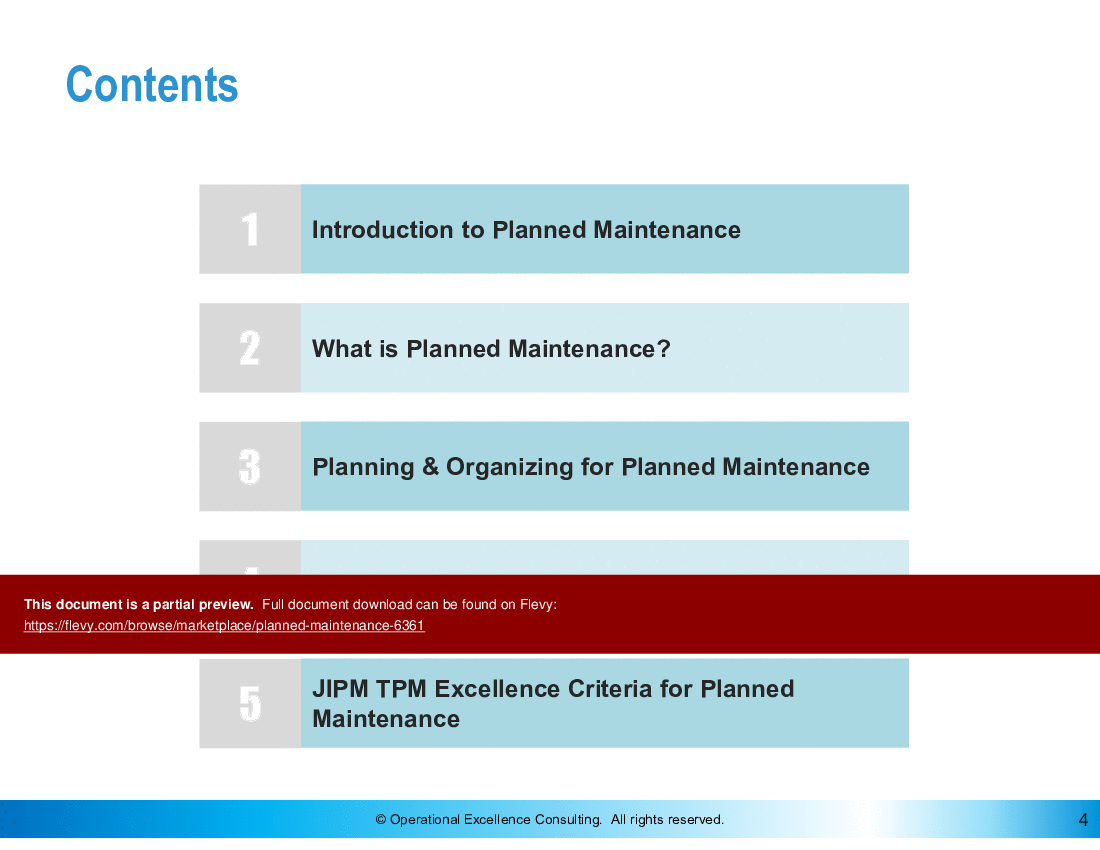
CONTENTS
1. Introduction to Planned Maintenance
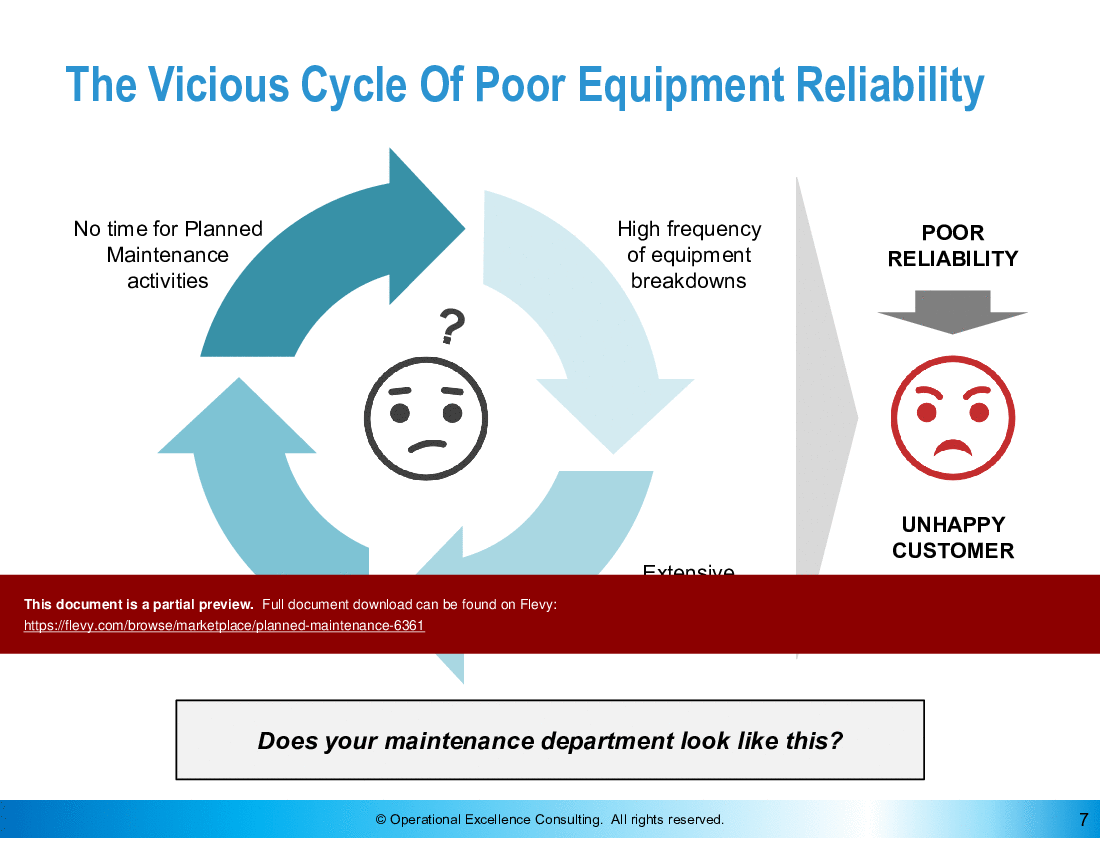
• The Vicious Cycle Of Poor Equipment Reliability
• From PM To TPM
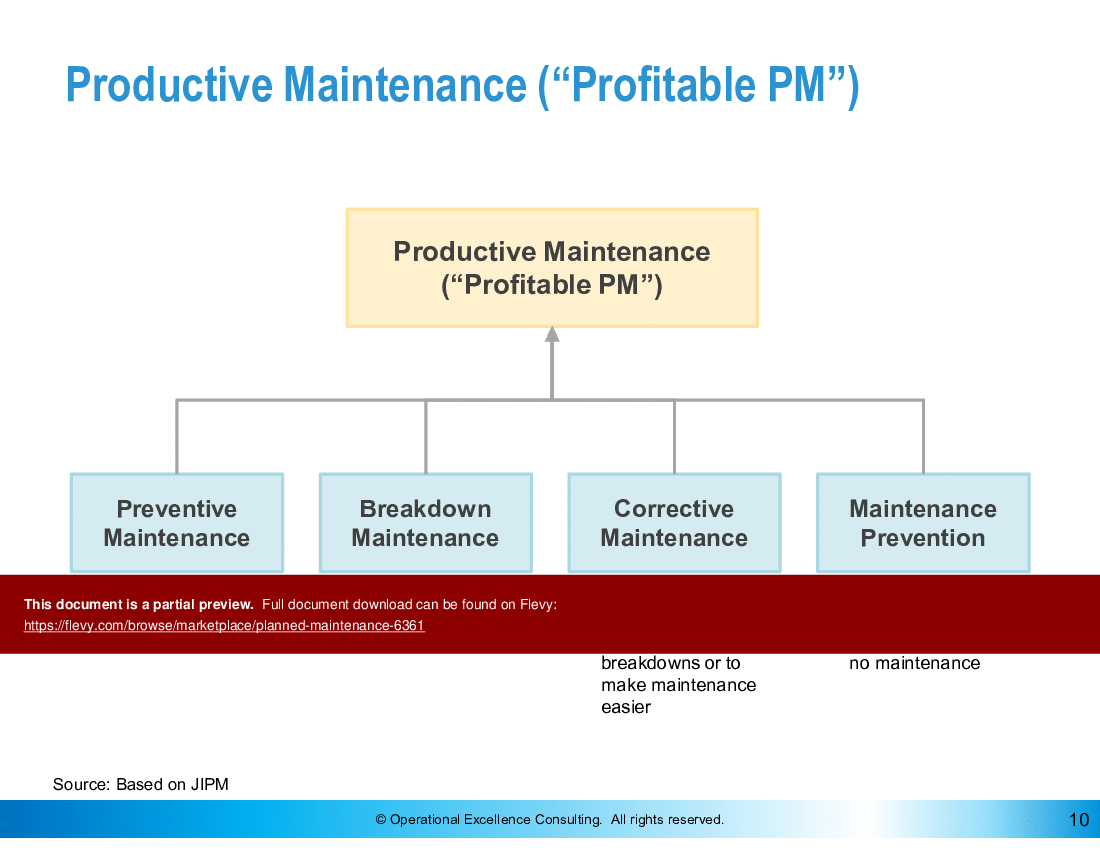
• Productive Maintenance ("Profitable PM")
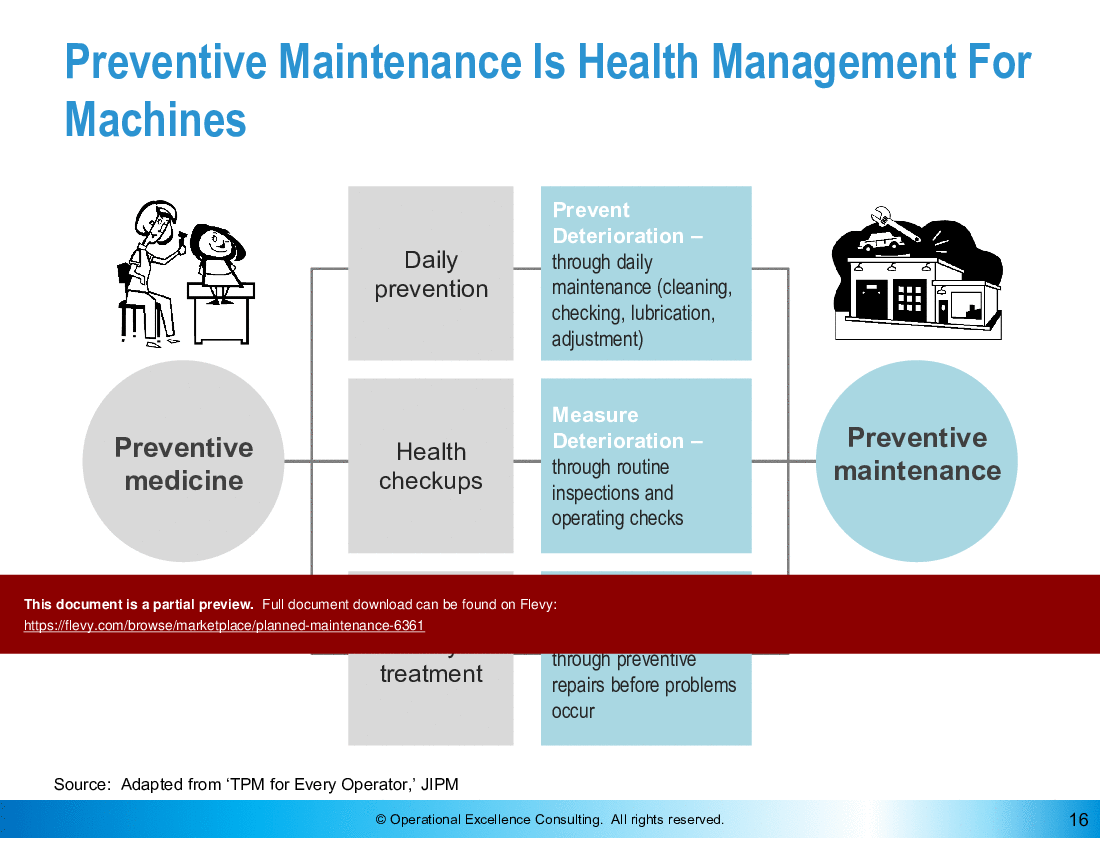
• Preventive Maintenance Is Health Management For Machines
• What Is TPM?
• TPM Is A Paradigm Shift
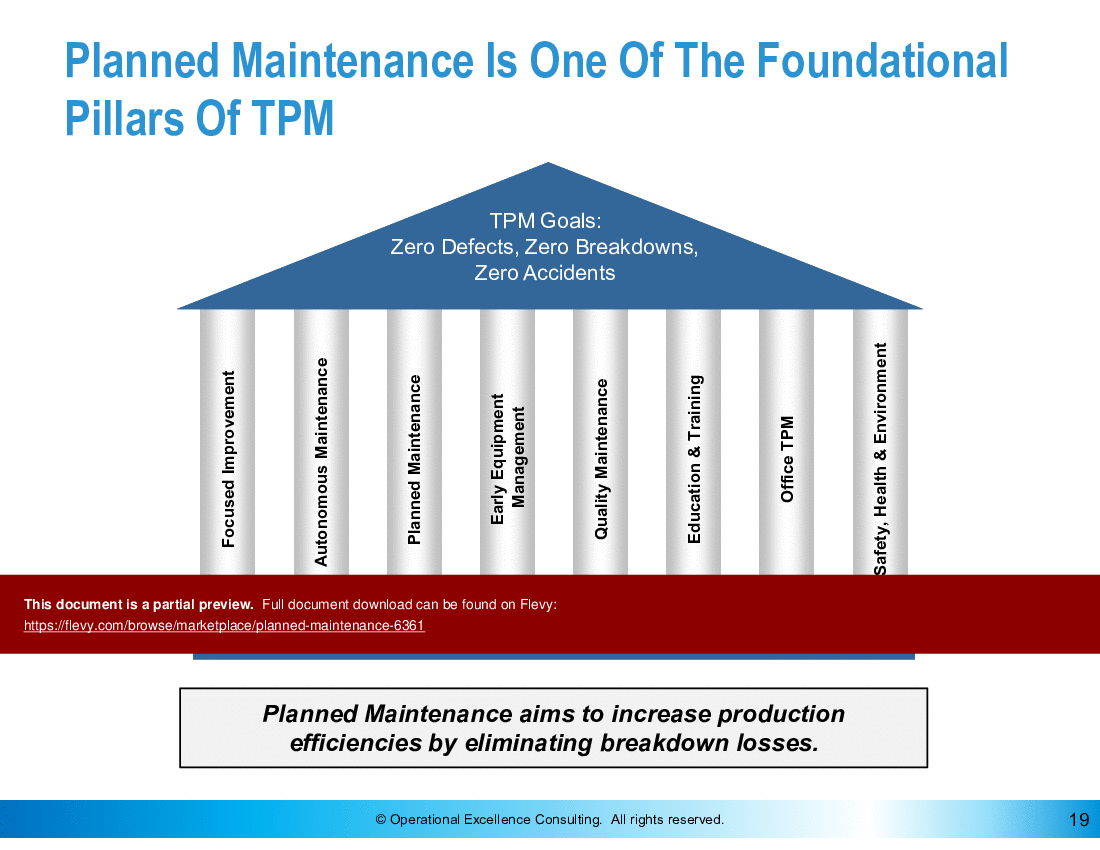
• Planned Maintenance Is One Of The Foundational Pillars Of TPM
• The 4 Key Pillars That Are Critical For Equipment Reliability
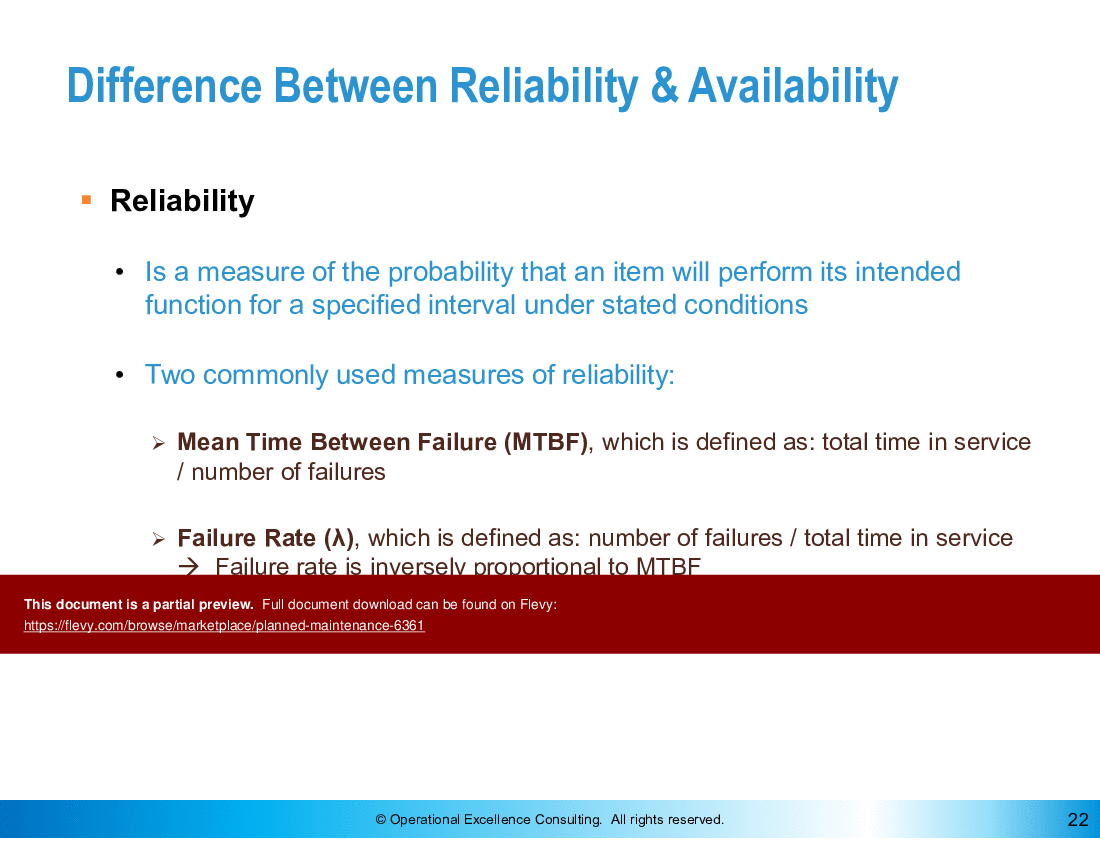
• Difference Between Reliability & Availability
• Difference Between Failure & Breakdown
• TPM – 3 Principles Of Prevention
2. What is Planned Maintenance?
• What Is Planned Maintenance?
• The Basic Idea Of Planned Maintenance: Fix It Before It Breaks
• Dual Focus Of Planned Maintenance
• Difference Between Planned & Preventive Maintenance
• Difference Between Autonomous Maintenance & Planned Maintenance
• Objective Of Planned Maintenance
• Benefits Of Planned Maintenance
• Policy Of Planned Maintenance
• Targets Of Planned Maintenance
• Planned Maintenance – Two Main Activities
• Scheduled Maintenance
• Planned Maintenance Provides A System To Achieve The Natural Life Cycle Of Individual Equipment Elements
3. Planning & Organizing for Planned Maintenance
• Maintenance Planning
• Elements Of A General Maintenance Plan
• TPM Implementation Organization Structure With Planned Maintenance Pillar
• Maintenance Department Organization – Example
• Planned Maintenance Activities
• Tasks For Planned Maintenance
• Planned Maintenance Responsibilities
• Key Roles Of Operations & Maintenance Departments
• Roles Of The Operations Department
• Roles Of The Maintenance Department
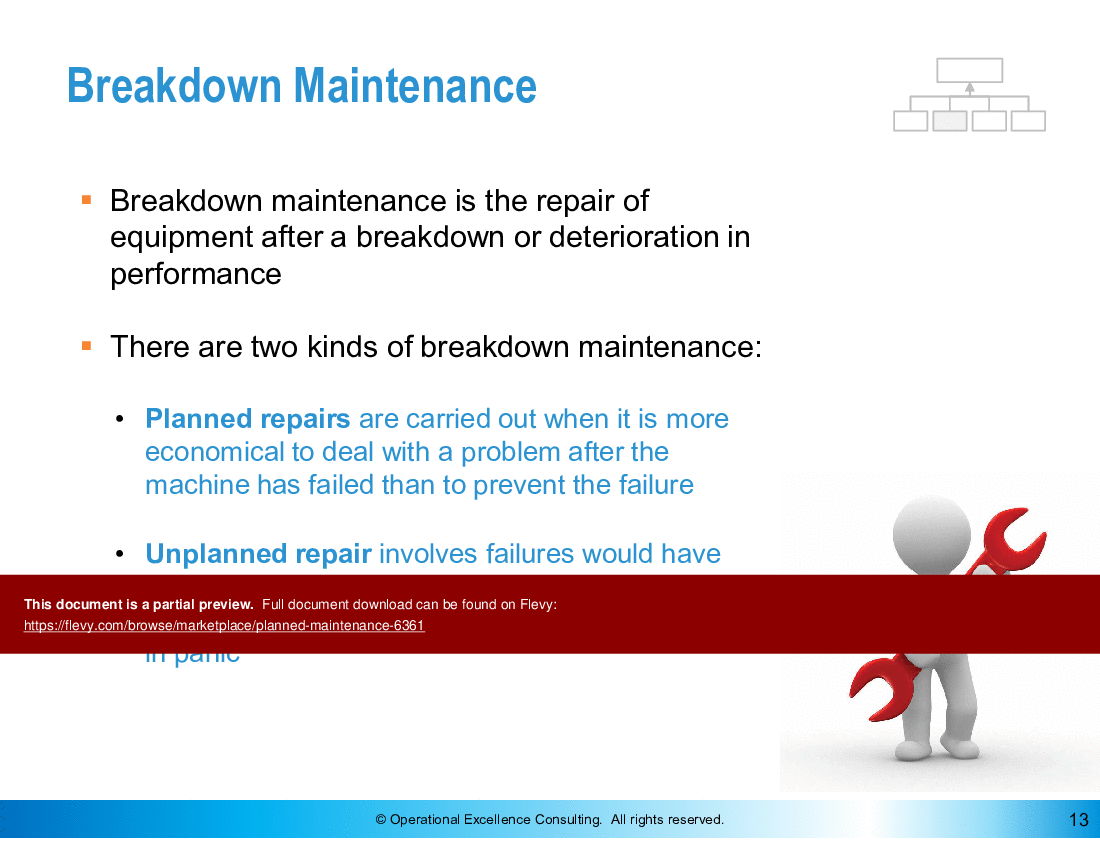
• Types Of Maintenance Activities
• Support For Autonomous Maintenance Steps 1-3
• Key Points For Applying Visual Control
• Maintenance & Control
• Lubrication Standards
• Collecting & Using Maintenance-related Information
• MP Design
• The 4 Phases To Zero Breakdowns
• Zero Failure Activities
4. The 7 Steps of Planned Maintenance
• Step 1 – Provide Support & Guidance To Autonomous Maintenance Activities
• Step 2 – Evaluate Equipment & Understand Current Condition
• Step 3 – Restore Deterioration & Correct Weaknesses
• Step 4 – Build An Information Management System
• Step 5 – Build A Periodic Maintenance System
• Step 6 – Build A Predictive Maintenance System
• Step 7 – Evaluate The Planned Maintenance System
5. JIPM TPM Excellence Criteria for Planned Maintenance
• JIPM TPM Excellence Criteria for Planned Maintenance
• How To Sustain TPM & Planned Maintenance Activities
• Critical Success Factors
*Note: The Japan Institute of Plant Maintenance (JIPM) is a nonprofit research, consulting, and educational organization that helps companies increase organizational efficiency and profitability through improved maintenance of manufacturing equipment, processes, and facilities. The JIPM is the sponsoring organization for the TPM Excellence Award, awarded annually to recognize excellence in company-wide maintenance systems. Based in Japan, JIPM is the innovator of methodologies that have been implemented around the world.
Got a question about the product? Email us at support@flevy.com or ask the author directly by using the "Ask the Author a Question" form. If you cannot view the preview above this document description, go here to view the large preview instead.
PRESENTATION DEEP DIVE ANALYSIS
This deep-dive analysis was generated from the full 102-slide PowerPoint presentation.
Source: Best Practices in TPM, Planned Maintenance PowerPoint Slides: TPM: Planned Maintenance (Keikaku Hozen) PowerPoint (PPTX) Presentation Slide Deck, Operational Excellence Consulting
ABOUT THE AUTHOR

Operational Excellence Consulting, founded in 2009 by Allan Ung, draws from extensive experience at Microsoft, IBM, and Underwriters Laboratories (UL). We specialize in strategy deployment, customer experience design, and operational excellence, applying Design Thinking, Lean, and Systems Thinking to maximize customer value and minimize waste.
Our
... [read more]
Ask the Author a Question
You must be logged in to contact the author.